
Therapy Models

Child–Parent Psychotherapy (CPP)
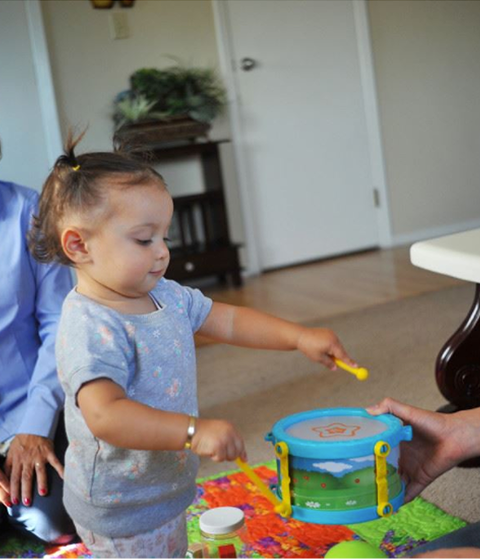
Child-Parent Psychotherapy (CPP) is an intervention model for children aged 0-5 who have experienced at least one traumatic event (e.g. maltreatment, the sudden or traumatic death of someone close, a serious accident, sexual abuse, exposure to domestic violence) and/or are experiencing mental health, attachment, and/or behavioral problems, including posttraumatic stress disorder (PTSD). The type of trauma experienced and the child’s age or developmental stage determine the structure of CPP sessions. For example, with infants, the child is present but treatment focuses on helping the parent to understand how the child’s and parent’s experience may affect the child’s functioning and development. Toddlers and preschoolers are more active participants in treatment, which usually includes play as a vehicle for facilitating communication between the child and parent.
Caregiver and child are guided over the course of treatment to create a joint narrative of the traumatic event and to identify and address traumatic triggers that generate dysregulated behaviors and affect.
Treatment is generally conducted by a master’s or doctoral-level therapist or a supervised trainee with at least two years of clinical experience. Treatment involves weekly hour-long sessions.



Perinatal Child-Parent Psychotherapy (P-CPP)
Perinatal Child-Parent Psychotherapy (P-CPP) is an application of the Child-Parent Psychotherapy to the perinatal period, for expecting mothers who have experienced trauma or significant stress. It is a relationship-based and trauma-informed treatment that begins during pregnancy and continues through postpartum period until the baby is 12 months old. P-CPP engages the mother-baby dyad, and mother-father-baby triad when possible, to repair trauma, promote attachment, and address the unique challenges and opportunities of pregnancy and the perinatal period.
P-CPP starts during pregnancy with the goal of guiding parents-to-be towards greater self-understanding and a more loving capacity to provide safe and nurturing care for their baby. While pregnancy and the first months of the baby’s life are normal developmental transitions, this time is also one of enormous physical and emotional vulnerability for parents and baby. P-CPP aims to provide mothers and fathers with the support they need when their adverse life circumstances and their emotional and interpersonal difficulties interfere with their ability to give their baby the love, care, and protection needed to promote healthy development.
CPP Co-parenting
The CPP Co-Parenting protocol is for parents who have separated and continue to share caregiving responsibilities. The model supports young children’s healing by helping parents promote safety, understand the child’s experience of conflict and trauma, and support the child’s ability to maintain meaningful relationships with both parents. A single clinician holding a neutral, child-aligned stance works with both parents and the child, using flexible dyadic and occasional joint sessions to promote safer, more collaborative co-parenting in the child’s best interest.

Group Intervention Models
In addition to therapy services, we have developed group intervention models. To learn more about these programs, visit the Group Intervention Models page.